
What These Assembly & Handling Solutions Are Used For
Assembly & Handling solutions are used to support internal material movement, workstation stability, ergonomic interaction, and controlled part manipulation across industrial environments. This category includes:

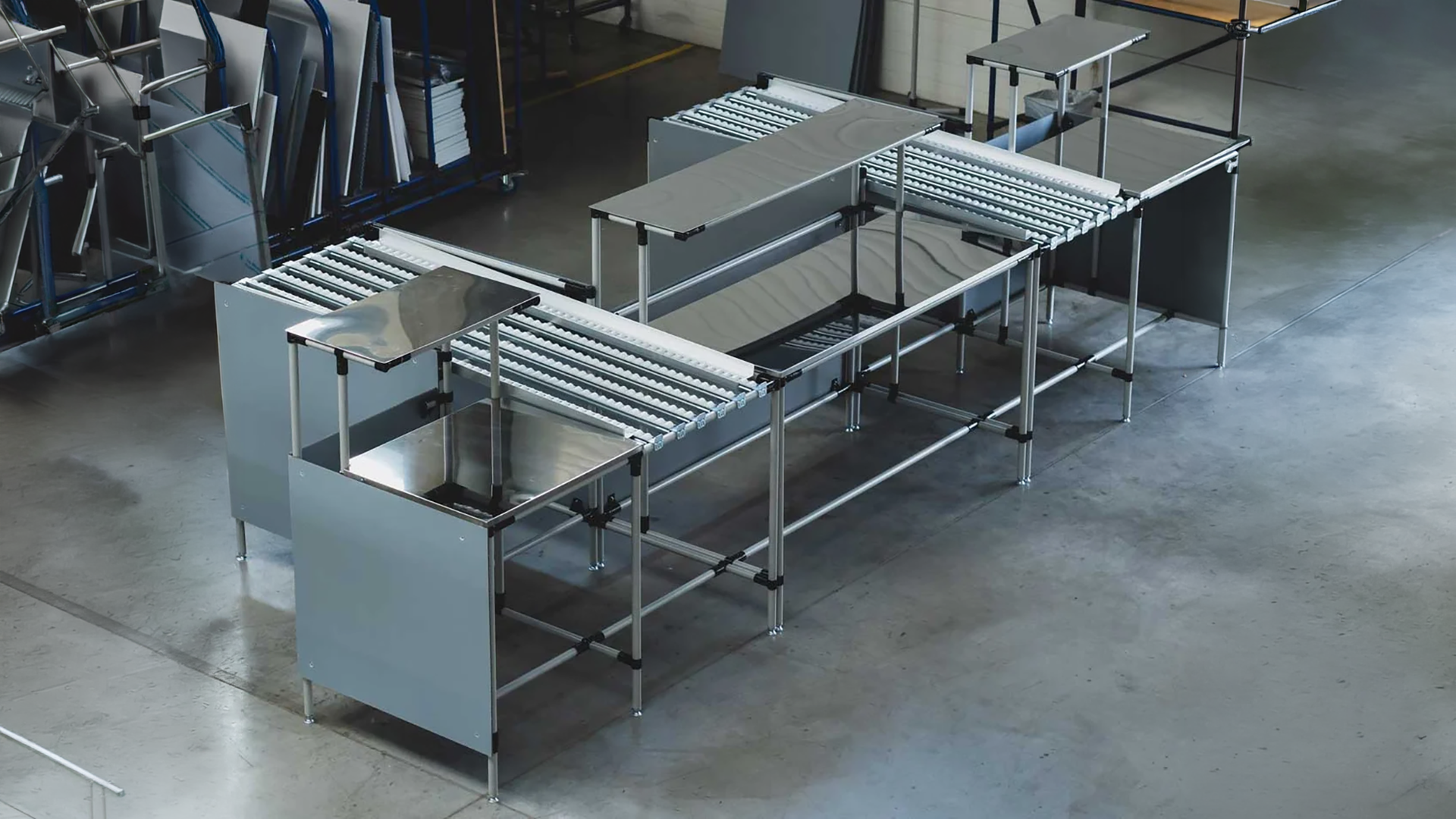
Assembly Tables
for structured work surfaces and repeatable workstation layouts
Industrial Carts
for internal transport, kitting, and line-side replenishment
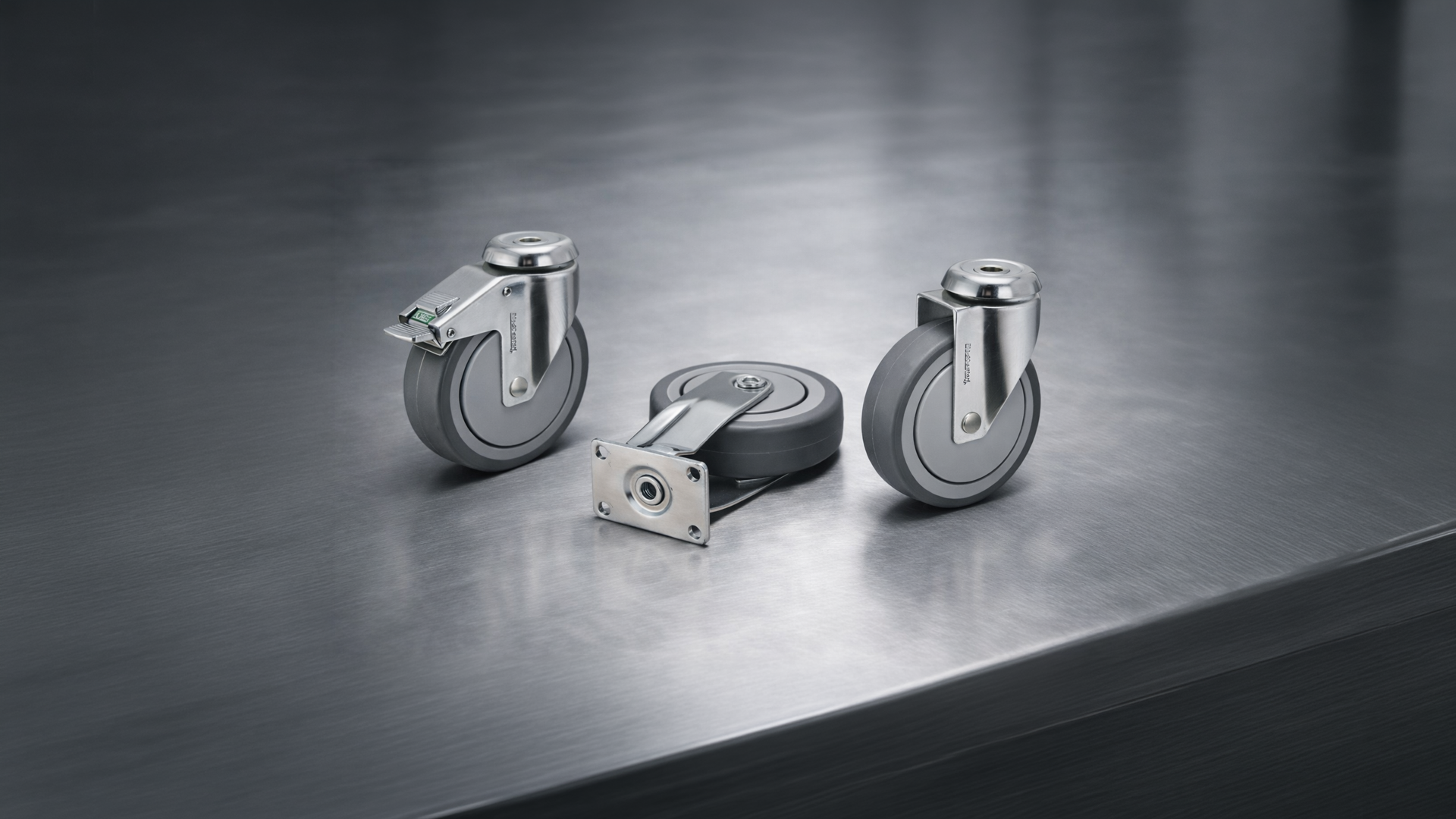
Casters
for mobility, load-bearing performance, and floor compatibility
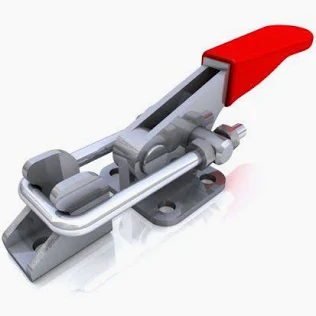
Grippers
for controlled handling and positioning within assembly processes
Typical Industrial Requirements
Assembly & Handling components are selected based on operational and environmental variables:
Load Capacity
Static and dynamic loads depending on parts, tooling, and operator interaction.
Environment
Dry manufacturing areas, ESD-controlled environments, or mixed environments with exposure to oils, dust, or temperature variation.
Compatibility
Integration with tooling, fixtures, jigs, conveyors, carts, and aluminum profile structures.
Lifecycle
Expected durability under continuous use, reconfiguration requirements, and long-term maintenance considerations.
How ONAU Structures This Solution
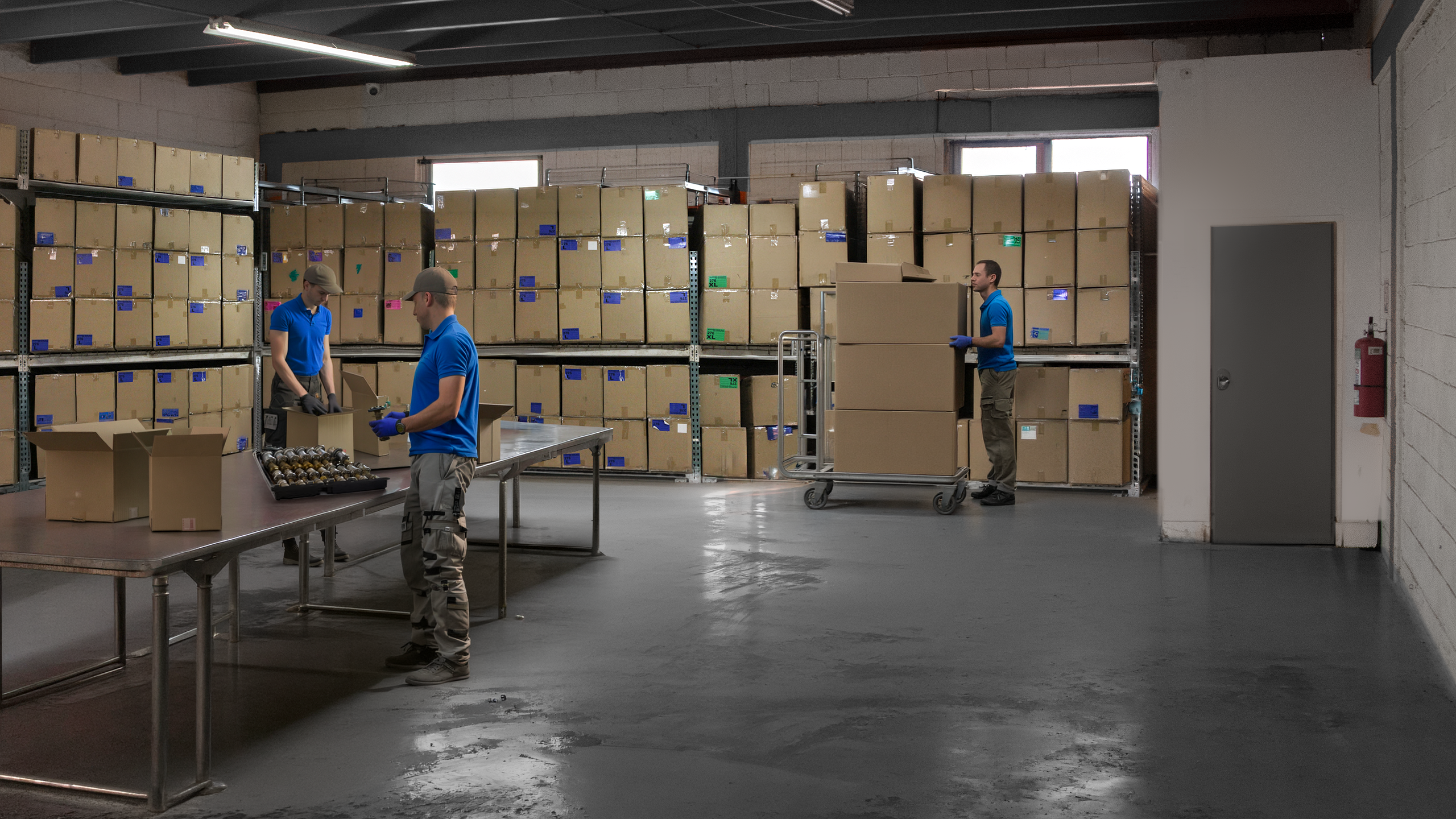
ONAU structures Assembly & Handling solutions to support practical industrial sourcing decisions. This category is organized to:
- Work with handling components commonly used in industrial production and intralogistics systems
- Align tables, carts, casters, and grippers to simplify deployment and future adjustments
- Support sourcing approaches that reduce unnecessary variability across similar projects
- Provide commercial and technical references that help coordinate engineering, quality, and procurement teams
The focus is not on proprietary systems, but on compatibility, sourcing clarity, and operational consistency.
Technical Considerations
Key engineering-readable variables typically reviewed during specification include:
- Load capacity per unit and per mobility component
- Caster material and rolling resistance characteristics
- Structural frame configuration and stability
- Mounting interfaces and fastening compatibility
- Surface durability and environmental exposure tolerance
- Ergonomic height and operator interaction zones
* These factors are evaluated in relation to operational function, not aesthetics.
Traceability and Documentation Options
Depending on the project, documentation may include:
- Bill of materials by configuration
- Component traceability by batch or supplier
- Basic dimensional drawings or layouts
- Support documentation aligned with internal quality processes
ONAU supports documentation practices commonly requested by engineering and procurement teams without making independent certification claims.
Integration into Industrial Systems
Assembly & Handling solutions supplied by ONAU are typically integrated into:
- Modular assembly stations
- Line-side replenishment systems
- Intralogistics transport routes
- Workstation layouts and tooling platforms
These components are frequently specified together to ensure mechanical compatibility and workflow coherence within broader industrial environments.
Request Technical Information
Send your load, mobility, workstation, or handling requirements to request technical information or submit an RFQ.
Request Technical Info or Submit RFQ