
What These Aluminum Components Are Used For
Aluminum components are used to build and support industrial structures, mechanical assemblies, modular frames, tooling systems, and intralogistics equipment. This category includes:
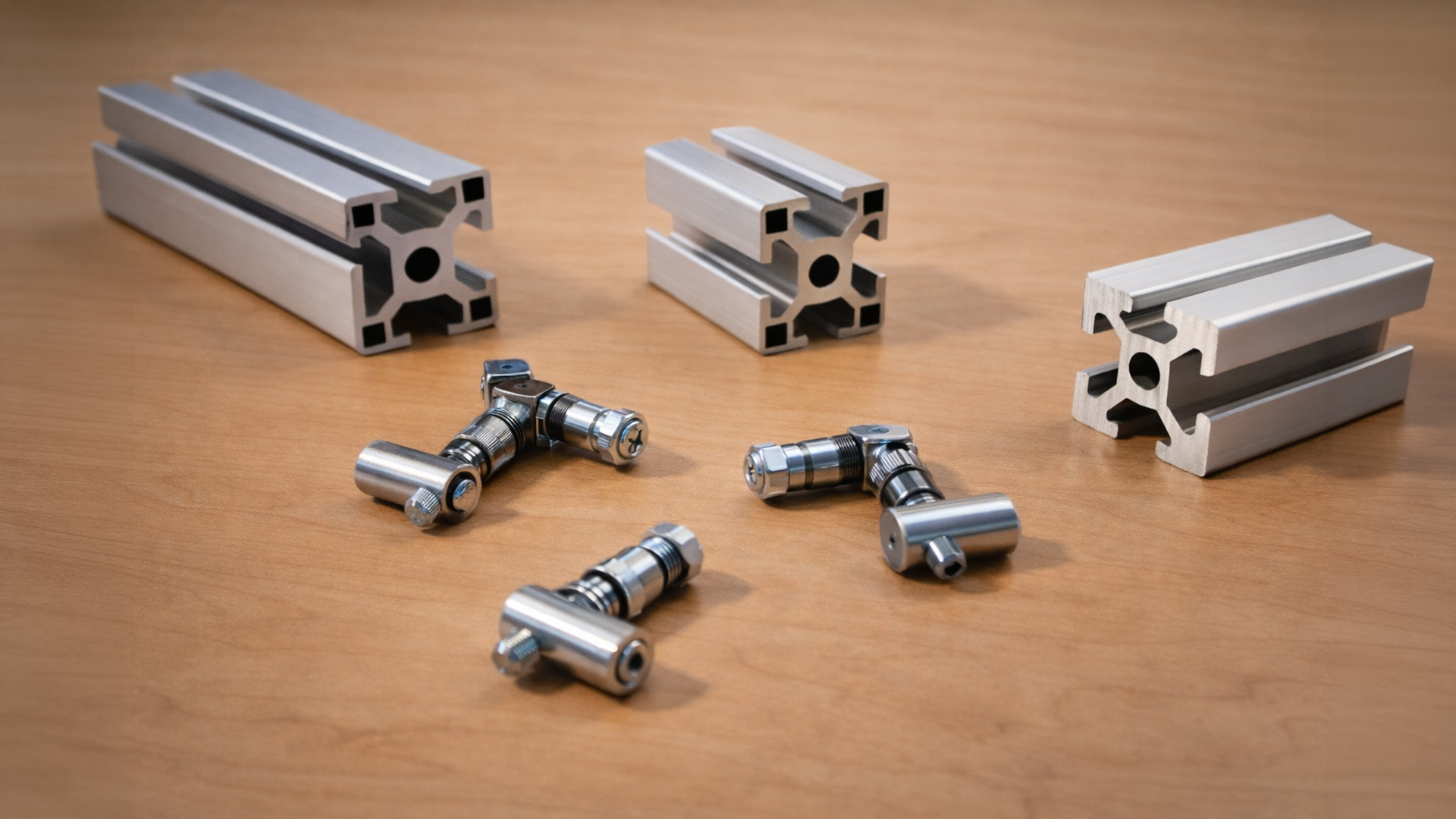
Aluminum Profiles
for modular structures and frames
Aluminum Connectors
for structural joining and reinforcement
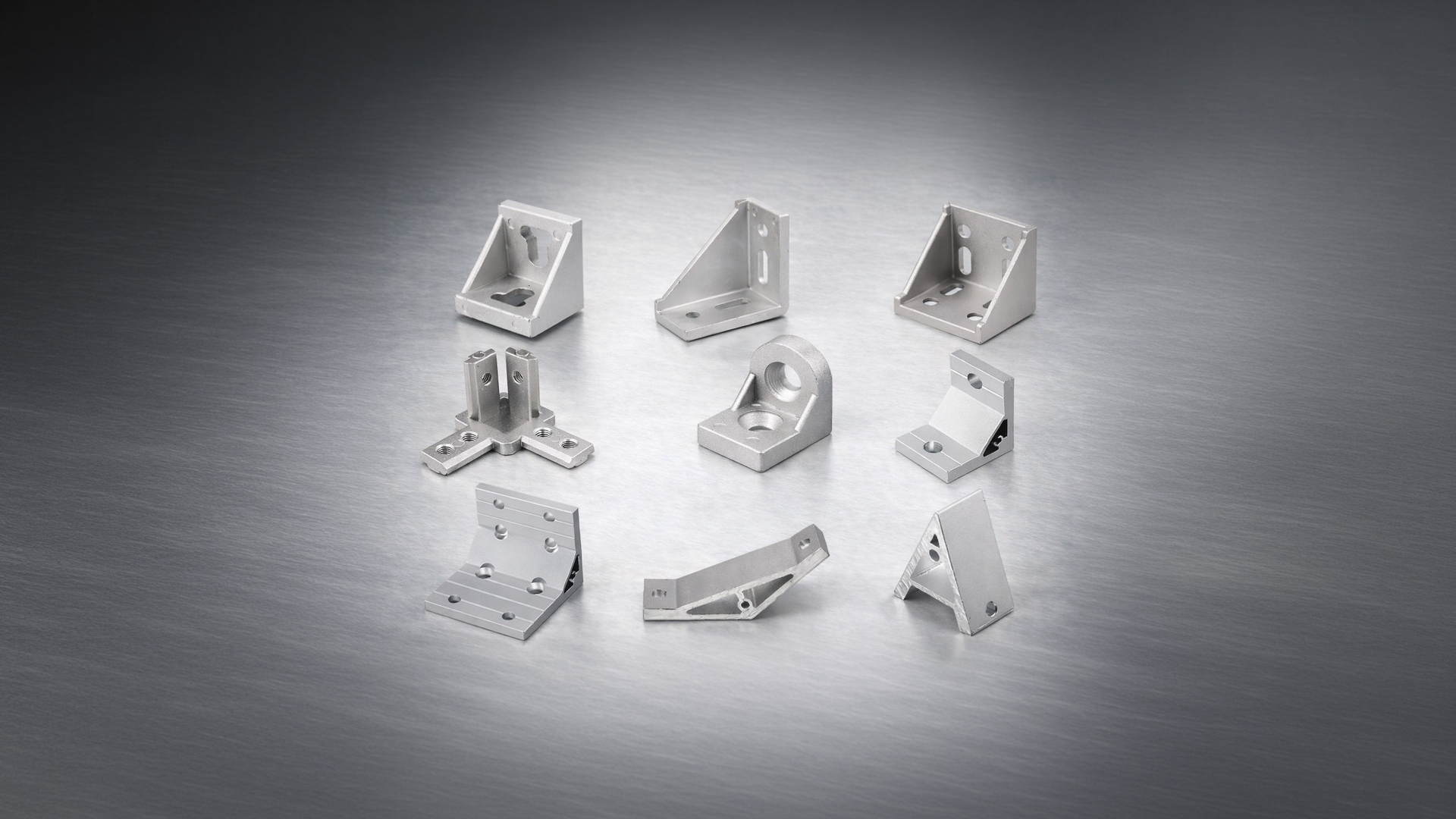
Cast Aluminum Parts
for structural or mechanical applications
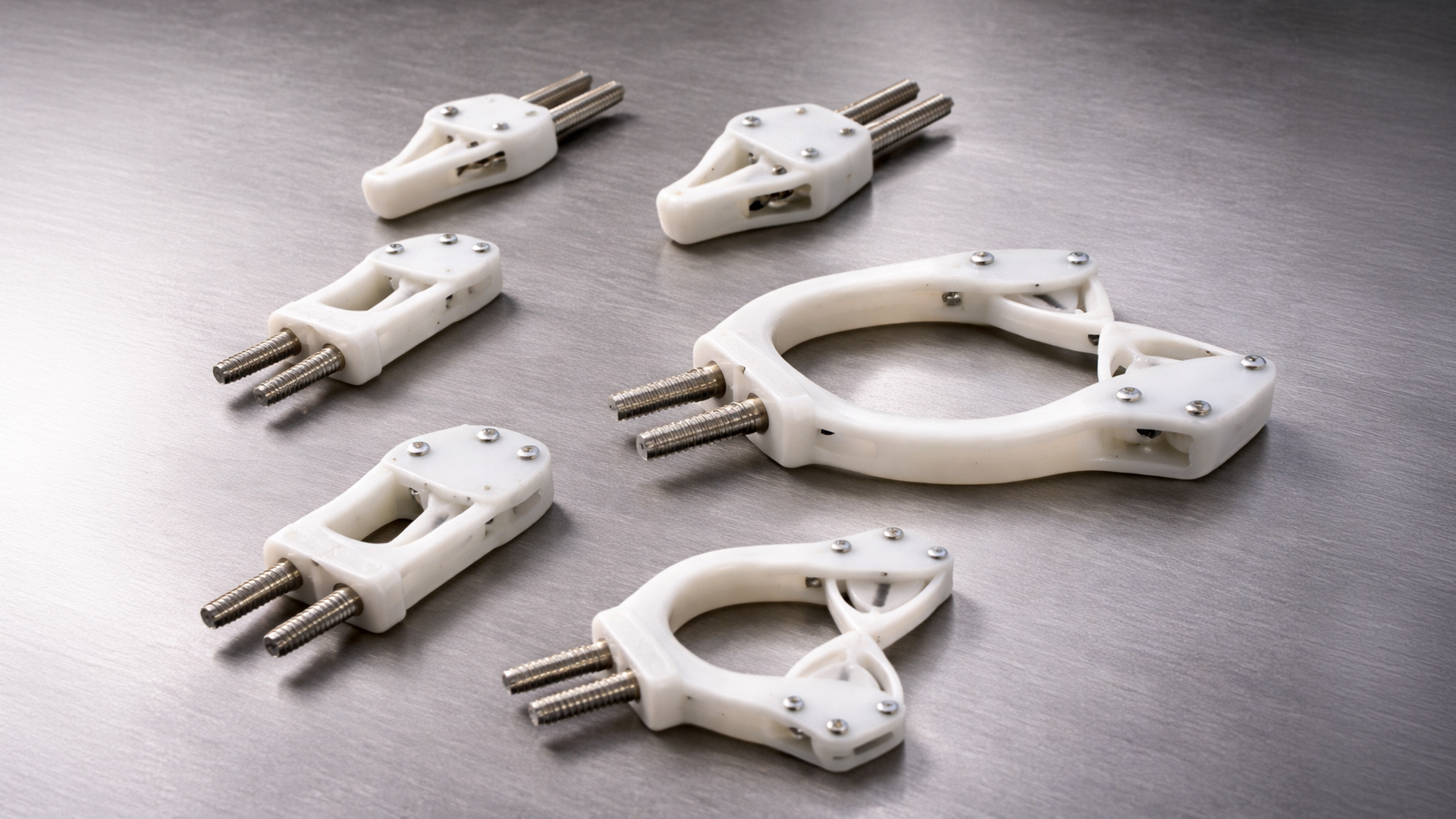
Fastening Bolts & Hardware
for secure assembly
Typical Industrial Requirements
When specifying aluminum components, industrial teams typically evaluate:
Load Performance
Structural capacity based on geometry, connection method, and application.
Environment
Indoor manufacturing, controlled industrial areas, or light industrial exposure.
Compatibility
Alignment between profiles, connectors, bolts, within the same structural system.
Lifecycle Flexibility
Ability to disassemble, expand, or reconfigure structures without replacing full assemblies.
How ONAU Structures This Solution
ONAU structures aluminum components to support practical industrial sourcing decisions. This category is organized to:
- Work with aluminum components commonly used in industrial structures and modular systems
- Align profiles, connectors, bolts, to simplify assembly and future adjustments
- Support sourcing approaches that reduce unnecessary variability across similar builds
- Provide commercial and technical references that help coordinate engineering, quality, and procurement teams
The focus is not on proprietary systems, but on compatibility, sourcing clarity, and operational consistency.
Technical Considerations
Key engineering-readable variables typically reviewed during specification include:
- Profile geometry and section dimensions
- Connector strength and fit tolerances
- Cast part dimensional consistency
- Bolt grades and fastening compatibility
- Surface finishes and material behavior
- Assembly method and structural alignment
* These factors are evaluated in relation to the intended structural function, not aesthetics.
Traceability and Documentation Options
Depending on project scope and customer requirements, aluminum components may be supported with:
- Commercial documentation aligned with import processes
- Manufacturer material references from upstream suppliers
- Batch or lot identification when applicable
ONAU supports documentation flow as part of its sourcing and supply process, without claiming independent product certifications.
Integration into Industrial Systems
Aluminum components supplied by ONAU are typically integrated into:
- Modular assembly stations
- Structural frames and guarding
- Tooling platforms and support structures
- Intralogistics carts and mechanical bases
These components are frequently specified together to ensure dimensional compatibility and mechanical consistency within broader industrial systems.
Request Technical Information
For engineering review or RFQ support, send profile dimensions, application requirements, quantities, and documentation needs.
Request Technical Info or Submit RFQ